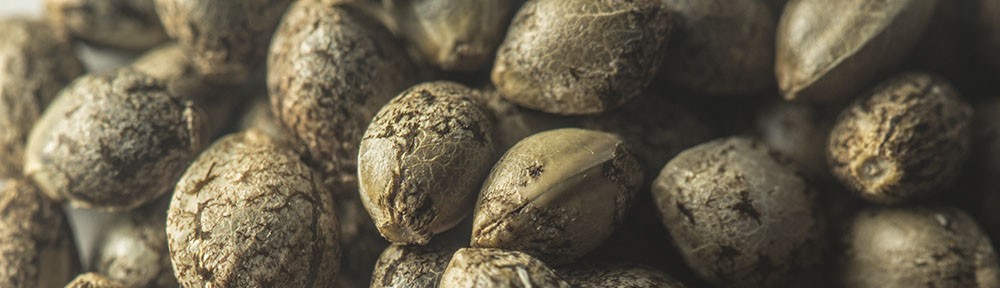
What Feminized Cannabis Seeds Really Are
Feminized cannabis seeds became one of the most important innovations in modern cannabis cultivation because they solved a problem that growers had faced for generations: uncertainty. Before feminized seeds became widely available, growers working with regular seeds had to accept that roughly half of their plants could become male.
For cannabis cultivation aimed at producing flowers, that uncertainty mattered enormously. Female cannabis plants produce the resin-rich flowers most growers want. Male plants produce pollen sacs. If male plants release pollen in a flowering garden, female plants become pollinated and begin producing seeds instead of focusing their energy primarily on flower development.
This is why regular seeds required growers to start extra plants, monitor them carefully, identify sex early, and remove males before pollen release. For experienced breeders, male plants are valuable. For most home growers focused on harvestable flowers, they are usually a complication.
Feminized seeds changed that equation. They are bred to produce overwhelmingly female plants, allowing growers to use space, nutrients, electricity, and time far more efficiently.
The basic idea behind feminized seeds is simple, but the breeding process requires precision. Instead of using pollen from a male cannabis plant, breeders induce a female plant to produce pollen. Since that pollen comes from a genetically female plant, it does not carry male chromosomes in the traditional way. When used to pollinate another female plant, the resulting seeds are overwhelmingly female.
This process transformed indoor cultivation. Small grow tents, closets, spare rooms, and compact home setups became more productive because growers no longer needed to reserve space for extra plants that might later be discarded.
Commercial growers also benefited because feminized seeds simplified production planning. Uniform female gardens are easier to irrigate, train, schedule, and harvest.
Another major advantage is accessibility. Beginners often find cannabis growing intimidating because there are many variables to learn: lighting, watering, nutrients, airflow, temperature, humidity, training, and harvest timing. Removing sex identification from the early learning curve makes cultivation much easier to approach.
Feminized seeds also changed seed bank catalogs. Today, many seed companies offer feminized versions of classic strains, modern hybrids, autoflowering lines, CBD-rich cultivars, and high-THC genetics. This gives growers enormous choice while preserving flower-focused efficiency.
Growers researching modern feminized genetics often explore catalogs such as Ministry of Cannabis.
There is still some confusion about feminized seeds. Some people mistakenly believe they are genetically modified in the laboratory. In most cases, feminized seeds are not GMOs. They are created through controlled breeding techniques that manipulate natural plant reproductive behavior.
Quality matters. Poorly produced feminized seeds can be unstable or more prone to stress-related problems, but reputable breeders select stable parent plants and test genetics carefully before release.
Scientific information about plant breeding, agriculture, and crop systems can be explored through the Food and Agriculture Organization of the United Nations, a major global authority on agriculture and plant production.
Feminized cannabis seeds are now standard because they match the needs of modern growers: predictability, efficiency, and practical cultivation management. They allow people to focus on growing healthy plants rather than gambling with sex ratios.
Their rise marked a turning point in cannabis history. Cultivation became more accessible, more efficient, and more aligned with the goals of home growers and professional producers alike.