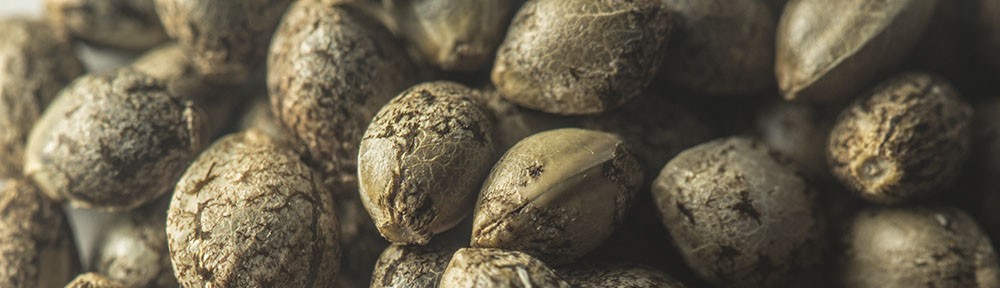
Feminized Autoflower Seeds and Modern Growing
Feminized autoflowering cannabis seeds combine two major innovations in modern cannabis breeding: female-focused genetics and automatic flowering. Together, they created one of the most accessible seed categories in the world.
Autoflowering cannabis plants flower according to age rather than changes in light cycle. This trait comes from Cannabis ruderalis genetics, which adapted to regions with short and unpredictable growing seasons.
How feminized autoflower seeds work
When autoflowering traits are combined with feminization, growers gain fast plants that overwhelmingly produce female flowers without needing strict photoperiod management.
This combination is especially attractive to beginners. A grower can plant feminized autoflower seeds, keep a simple light schedule, and watch plants move from seedling to harvest in a relatively short time.
Why autoflowers appeal to beginners
Outdoor growers in colder climates also benefit. Autoflowers can finish before autumn rains arrive, reducing exposure to mold and bad weather.
Indoor growers appreciate autoflowers because they can run multiple harvests per year. Compact size also makes autos suitable for small tents, balconies, and discreet setups.
Modern breeding and improved performance
Early autoflowers were often criticized for weak potency and low yields. Modern breeding changed that dramatically. Today’s feminized autoflowers can produce strong resin, rich aromas, and competitive cannabinoid levels.
However, autos require careful early management. Because their life cycle is short, stress during the first weeks can reduce final size permanently. Photoperiod plants can recover during extended vegetative periods, but autoflowers move forward automatically.
Early care, watering, and training considerations
Watering discipline is essential. Overwatering young autoflowers can slow root growth and reduce vigor. Healthy roots are especially important for fast-cycle plants.
Training should also be gentle. Low-stress training is often safer than heavy pruning or aggressive topping, especially for beginners.
Scientific information regarding controlled-environment agriculture and indoor crop systems can be explored through the Cornell Controlled Environment Agriculture Program.
Feminized autoflower seeds made cannabis growing faster, simpler, and more adaptable. They are a clear example of how breeding innovation changed cultivation culture.
They may not replace photoperiod feminized strains completely, but they earned an important place in modern seed catalogs because they meet the needs of real growers: speed, simplicity, and efficiency.
What Matters Most
- Autoflowering plants flower by age, not light-cycle changes, thanks to Cannabis ruderalis genetics.
- Feminized autoflower seeds combine automatic flowering with a strong chance of producing female plants.
- Modern breeding has improved autoflowers’ potency, resin production, aroma, and yield potential.
- Because their life cycle is short, early stress, overwatering, and harsh training can reduce final growth.
- Autoflowers suit beginners, small spaces, and growers who want quicker harvests and simpler light management.
Frequently Asked Questions
What makes autoflowering seeds different from photoperiod seeds?
Autoflowering seeds flower based on plant age, while photoperiod seeds depend on changes in the light cycle.
Why are feminized autoflower seeds popular with beginners?
They are simple to manage, usually produce female plants, and do not require strict light-cycle control to trigger flowering.
Are modern autoflowers better than older generations?
Yes, breeding has improved many modern autoflowers, including their potency, resin, aroma, and overall yield potential.
Why do young autoflowers need careful handling?
Their short life cycle leaves less time to recover from stress, so issues like overwatering or rough training can limit final size.
Can autoflowers work in small indoor spaces?
Yes, their compact growth habit makes them a practical option for tents, balconies, and discreet grow setups.