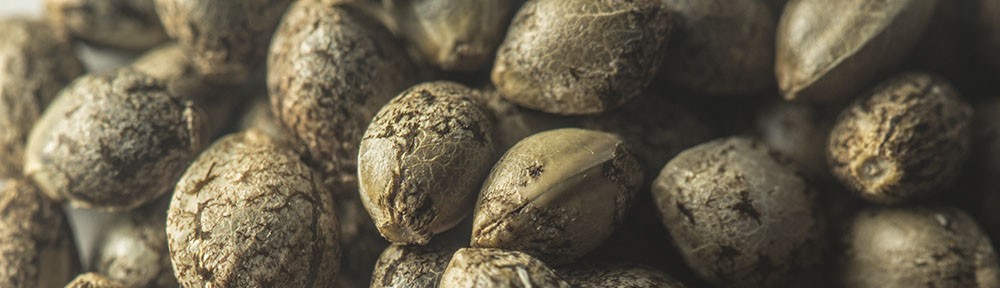
Can Feminized Seeds Become Hermaphrodites?
Hermaphroditism is one of the most common concerns surrounding feminized cannabis seeds. Growers often ask whether feminized seeds are more likely to develop male flowers, whether they are unstable, or whether the feminization process itself creates problems.
The answer is nuanced. Feminized seeds can become hermaphroditic, but so can regular female plants. Hermaphroditism is not exclusive to feminized genetics. It is usually the result of genetic sensitivity, environmental stress, or poor breeding selection.
Cannabis is biologically capable of producing male and female reproductive structures under certain conditions. This trait helped the plant survive in nature, but it creates problems for growers focused on seedless flower production.
How Hermaphroditism Happens in Cannabis
In cultivation, hermaphroditic flowers can release pollen and fertilize nearby female flowers. This leads to seeded buds and reduced final quality.
High-quality feminized seeds are bred from stable female plants selected specifically to avoid strong stress-induced hermaphroditic tendencies. Reputable breeders test parent plants and avoid lines that show instability.
Poor feminized seeds, however, can be problematic if breeders use unstable stock or rush production without proper selection.
Are Feminized Seeds More Likely to Be Hermaphroditic?
Environment plays a major role. Light leaks during flowering, interrupted dark periods, heat stress, nutrient extremes, root damage, pest pressure, and severe pruning stress can all increase the chance of male flower development.
This is why stable grow-room conditions are essential. Even strong genetics can react badly to severe stress.
Indoor growers should pay particular attention to flowering darkness. Photoperiod plants need uninterrupted dark cycles. Small light leaks from equipment, doors, windows, or indicator LEDs can cause problems over time.
Environmental Stress Factors That Can Trigger Male Flowers
Temperature stability also matters. Excessive heat during late flowering can stress plants and reduce flower quality while increasing instability risk.
Growers should inspect plants regularly during flowering. Early identification of male flowers can prevent wider pollination issues.
Scientific information about plant reproductive biology, stress response, and botany can be explored through Royal Botanic Gardens, Kew, one of the world’s leading botanical research institutions.
How to Reduce the Risk in Flowering Rooms
The key lesson is that feminized seeds are not automatically unstable. Quality depends on breeding integrity and environmental management.
Good feminized genetics grown under stable conditions are widely used successfully by home growers and commercial producers around the world.
Hermaphroditism remains a risk in cannabis cultivation, but it is best understood as an interaction between genetics and stress rather than a simple flaw of feminized seeds.
What Matters Most
- Feminized seeds can develop hermaphroditic traits, but regular female plants can too.
- Hermaphroditism usually comes from genetics, stress, or poor breeding selection, not feminization alone.
- Light leaks, heat, nutrient extremes, root damage, and pests can increase the risk of male flowers.
- Stable breeding and consistent grow-room conditions are the best ways to reduce seeded buds.
Frequently Asked Questions
Can feminized seeds become hermaphrodites?
Yes. Feminized seeds can become hermaphroditic, especially if they are genetically unstable or exposed to strong stress during growth.
Does feminization itself cause hermaphroditism?
No. Hermaphroditism is not caused by feminization alone. It is usually linked to plant genetics, breeding quality, and environmental stress.
What stress factors can trigger male flowers?
Common triggers include light leaks, interrupted dark cycles, heat stress, nutrient imbalance, root damage, pests, and heavy pruning stress.
Are all feminized seeds unstable?
No. High-quality feminized seeds are bred from stable female plants and tested to reduce the chance of stress-induced hermaphroditism.
How can growers lower the risk of hermaphroditism?
Use reputable genetics, keep flowering conditions stable, avoid light leaks, monitor temperature, and inspect plants regularly for male flowers.