Inside the Breeding Process Behind Feminized Seeds
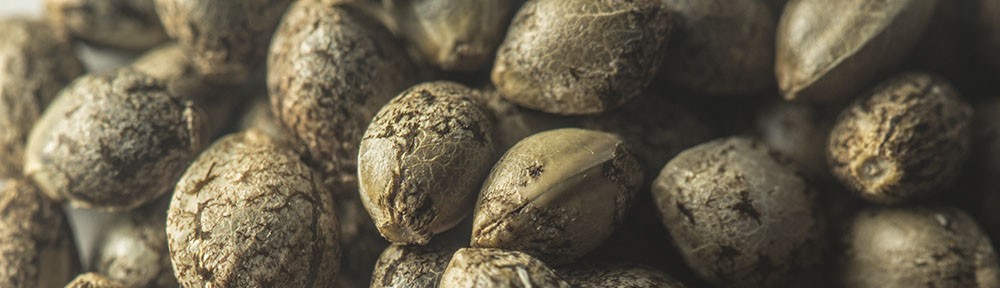
Feminized cannabis seeds may look like ordinary seeds, but the breeding work behind them is highly specialized. Their creation depends on understanding cannabis reproduction, plant hormones, stress response, genetic stability, and careful parent selection.
Traditional cannabis seed production usually involves a male plant pollinating a female plant. The resulting seeds contain genetic material from both parents and may produce male or female offspring. Feminized seed production removes the male plant from the process.
Instead, breeders induce a female plant to produce pollen. That pollen is then used to fertilize another female plant. Because the pollen comes from female genetics, the resulting seeds overwhelmingly produce female offspring.
How feminized cannabis seeds are produced
The most common modern techniques involve silver-based solutions such as colloidal silver or silver thiosulfate. These substances interfere with ethylene, a plant hormone involved in female flower expression. When ethylene pathways are disrupted, a female cannabis plant can produce male reproductive structures capable of releasing pollen.
This pollen is not ordinary male pollen. It is produced by a female plant and is used specifically for feminized breeding projects.
The process sounds straightforward, but success depends heavily on choosing the right parent plants. A breeder does not simply reverse any female plant and use the pollen. The selected plants must show stability, vigor, desirable traits, and resistance to stress.
Why silver-based solutions are used
If a breeder uses weak or unstable plants, the offspring may inherit problems. This is why high-quality feminized seeds come from careful selection and testing rather than shortcut breeding.
Breeders often evaluate multiple traits before choosing parent plants: growth structure, flowering time, terpene profile, resin production, cannabinoid expression, resistance to hermaphroditism, root vigor, and environmental adaptability.
Isolation is also critical. Cannabis pollen is extremely fine and can travel easily through air movement. Unwanted pollen contamination can ruin a breeding project quickly. Professional breeders work in controlled environments to prevent accidental cross-pollination.
Choosing stable parent plants
Timing matters as well. Pollen must be collected at the right stage and applied to receptive female flowers. After pollination, seeds need several weeks to mature properly inside the flowers.
Mature seeds are usually darker, harder, and more resilient than immature seeds. Proper drying and storage help preserve viability after harvest.
Early feminized seeds sometimes had a controversial reputation because some breeders rushed production or used unstable plants. This led to concerns about hermaphroditic traits. Over time, better techniques and stricter selection greatly improved quality.
Preventing contamination and timing pollination
Today, reputable feminized seed production is far more refined. Serious breeders test genetics repeatedly and avoid parent plants that show undesirable stress reactions.
Autoflower feminized seeds add another layer of complexity. Breeders must preserve automatic flowering behavior while also maintaining feminized stability, potency, and desirable terpene traits.
Scientific information about agricultural breeding, genetics, and seed systems can be explored through the United States National Agricultural Library, one of the world’s largest agricultural information resources.
Why modern feminized breeding is more reliable
The breeding process behind feminized seeds reflects the broader professionalization of cannabis genetics. What was once largely underground experimentation became a more technical and intentional form of horticultural breeding.
Good feminized seeds are not accidental. They are the result of controlled pollination, stable parent selection, careful observation, and strong breeding discipline.
For growers, the benefit is simple: more predictable female gardens and fewer wasted resources. For breeders, feminized seeds remain one of the most influential achievements in modern cannabis genetics.
What Matters Most
- Feminized seeds are created by inducing a female plant to produce pollen and using it to pollinate another female.
- Silver-based treatments disrupt ethylene signaling, triggering male flower structures on a female plant.
- Strong feminized genetics depend on stable parent selection, not just the reversal process.
- Controlled environments help prevent unwanted pollen contamination during breeding.
- Modern feminized seed production focuses on reducing hermaphroditism and preserving desirable traits.
Frequently Asked Questions
How are feminized cannabis seeds made?
Breeders induce a female plant to produce pollen, then use that pollen to fertilize another female plant so the seeds are overwhelmingly female.
Why do breeders use colloidal silver or silver thiosulfate?
These silver-based solutions interfere with ethylene, a hormone involved in female flower expression, which can trigger pollen production on a female plant.
Why is parent selection so important in feminized breeding?
Stable, vigorous parents help pass on desirable traits and reduce the risk of problems like hermaphroditism or weak growth.
Can pollen easily contaminate a breeding project?
Yes. Cannabis pollen is very fine and can travel through air, so controlled environments are essential to avoid accidental pollination.
Are modern feminized seeds more reliable than early versions?
Yes. Better techniques, stricter selection, and repeated testing have greatly improved consistency and reduced issues tied to unstable genetics.